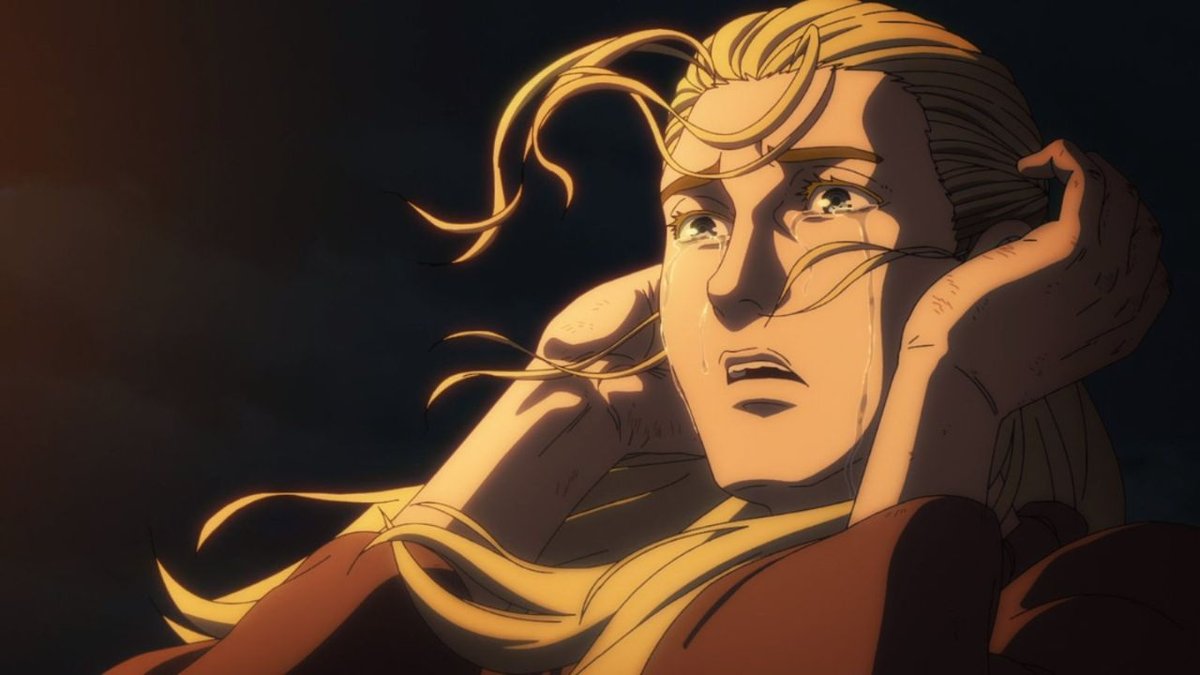
If you've found yourself searching for "Sanji in Vinland Saga explained," you're not alone! It's a common query, often stemming from the sheer popularity of both Vinland Saga and One Piece, where the charismatic chef Sanji Vinsmoke is a beloved Straw Hat Pirate. However, let's clear the air right from the start: Sanji is not, and has never been, a character in Vinland Saga.
Vinland Saga and One Piece are distinct masterpieces from different creators, set in entirely different worlds with vastly different tones and themes. While the idea of a crossover might be fun for fans, Vinland Saga stands firmly on its own as a historical epic, grounded in the brutal realities of the Viking Age.
This flagship Super Pillar article will guide you through the rich, authentic world of Vinland Saga, explaining why a character like Sanji simply wouldn't fit, and introducing you to the true depth, history, and profound character journeys that define this critically acclaimed series.
Dispelling the Myth: Why Sanji Isn't in Vinland Saga
The confusion around Sanji's potential appearance in Vinland Saga likely arises from the immense popularity of both anime and manga series. Both are known for their compelling characters and action, but that's where the similarities largely end. Sanji, with his superhuman strength, fire-based fighting style, and flamboyant personality, is a product of One Piece's fantastical, pirate-filled world.
Vinland Saga, on the other hand, is meticulously researched historical fiction. Its narrative is rooted in real-world Viking history, focusing on grounded combat, human endurance, and the philosophical exploration of war, peace, and what it means to be a true warrior. There are no Devil Fruits, no superhuman abilities, and no fantastical elements that would allow a character like Sanji to seamlessly integrate into its gritty reality.
The Genesis of a Masterpiece: Makoto Yukimura's Vision
At the heart of Vinland Saga's compelling narrative is its brilliant creator, Makoto Yukimura. Known for his profound storytelling and meticulous attention to detail, Yukimura crafts worlds that feel incredibly real and characters that resonate deeply. Before immersing readers in the Viking Age, he captivated audiences with Planetes, a hard science fiction series that explored complex human issues within a realistic space setting.
Yukimura's ability to blend deep historical research with intricate character development is a hallmark of his work. His dedication ensures that every element of Vinland Saga, from the ships to the social structures, feels authentic. To truly appreciate the mind behind this epic, you'll want to explore the journey of Makoto Yukimura's creative genius and his profound influence on the series.
Stepping into the Viking Age: Setting and Authenticity
Vinland Saga transports its audience to the brutal and breathtaking landscape of the Viking Age, primarily between the late 8th and early 11th centuries. This era was defined by Norse explorers, fierce warriors, and ambitious traders venturing across Europe and beyond. The series doesn't just feature Vikings; it embodies their spirit, their struggles, and their cultural nuances with remarkable fidelity.
From the design of longships to the depiction of raiding parties and grand battles, the series paints a vivid, unromanticized picture of this historical period. The concept of Vinland itself, believed to be parts of North America, introduces themes of exploration and the relentless human pursuit of new lands. For a deep dive into the historical backdrop that grounds every facet of the story, make sure to read about the authentic historical setting of Vinland Saga. The series also masterfully weaves in real historical figures like Leif Erikson, enhancing its grounding in factual history. To understand how fact and fiction intertwine, uncover more about the incredible historical accuracy woven into Vinland Saga.
The Heart of the Saga: Main Characters and Their Journeys
While Sanji might not be present, Vinland Saga boasts a cast of complex, unforgettable characters whose journeys are the very pulse of the series. At its core is Thorfinn, a young boy initially driven by a singular, consuming quest for vengeance against the man who killed his father. His transformation from a rage-filled child to a man seeking peace and a new purpose is one of the most compelling character arcs in modern storytelling.
Thorfinn's path is shaped significantly by the individuals he encounters:
- Askeladd: An enigmatic and cunning mercenary commander, Askeladd is Thorfinn's initial target for revenge, yet he becomes a surrogate father figure who teaches Thorfinn harsh lessons about survival and the nature of war.
- Canute: Starting as a timid, sheltered prince, Canute's evolution into a formidable, philosophical king is a central narrative thread, exploring the burdens of leadership and the corrupting nature of power.
- Einar: A farmer whose life is shattered by war, Einar becomes Thorfinn's closest friend and moral compass, guiding him toward a future beyond violence and revenge.
These characters, and many others, contribute to a tapestry of human experience, exploring resilience, trauma, and the quest for meaning. To truly grasp the depth of their development, delve into the detailed profiles of Vinland Saga's main characters.
A Tapestry of Thought: Core Themes Explored
Beyond the battles and historical settings, Vinland Saga is a profound exploration of universal human themes. It doesn't shy away from the brutal realities of its time but uses them as a backdrop for deeper philosophical inquiry:
- Revenge vs. Redemption: The series initially hooks us with Thorfinn's quest for vengeance but gradually questions its futility, ultimately pushing characters toward paths of forgiveness and redemption.
- The Futility of War and Violence: Vinland Saga never glorifies warfare. Instead, it meticulously depicts its devastating physical and psychological costs, forcing characters and readers to confront the true price of conflict.
- Identity and Self-Discovery: Thorfinn's journey is a powerful narrative of finding one's purpose beyond inherited trauma and societal expectations, exploring what it means to forge one's own path.
- Loyalty and Betrayal: In a world rife with shifting allegiances and political intrigue, the series examines the fragile nature of trust and the profound impact of both unwavering loyalty and devastating betrayal.
These complex themes are what elevate Vinland Saga from a mere action story to a truly thought-provoking masterpiece. For a deeper understanding of the philosophical underpinnings of the series, explore the powerful and timeless themes of Vinland Saga.
The Visual Storyteller: Art Style and Animation
The impact of Vinland Saga is immensely amplified by its breathtaking artistic style. Makoto Yukimura's hand is evident in every panel, characterized by meticulous detail, realistic renderings, and dynamic compositions. From the rugged textures of Viking clothing to the sweeping, atmospheric landscapes, the art draws you deep into its world.
The anime adaptation, produced by Wit Studio (and later MAPPA), masterfully translates this visual brilliance to the screen, with fluid animation bringing the intense battles and quiet, reflective moments to life. The expressive character designs evolve alongside their internal struggles, reflecting their growth and the harsh realities they face. To truly appreciate the visual mastery, take a moment to understand the distinct and immersive art style of Vinland Saga.
Beyond the Pages: Impact, Reception, and Cultural Influence
Vinland Saga has garnered significant critical acclaim and a devoted global fanbase since its inception. It's praised not just for its gripping narrative and complex characters but also for its commitment to historical accuracy and its profound thematic explorations. Receiving accolades like the 2012 Harvey Award for Best Manga, it has cemented its place as a pivotal work in manga and anime.
Its influence extends beyond its own popularity, inspiring other creators and setting a high bar for historical fiction in the medium. The successful anime adaptation has further broadened its reach, introducing its powerful story to a wider international audience. Dive deeper into its legacy and why it resonates so strongly with fans and critics alike by exploring the critical reception and lasting cultural impact of Vinland Saga.
Vinland Saga vs. Other Anime: A Unique Standpoint
While often discussed in the same breath as other epic anime and manga, Vinland Saga carves out its own distinct identity. Unlike the fantastical adventures of One Piece (Sanji's home series!) or the grand-scale mythology of Attack on Titan, Vinland Saga remains firmly rooted in realism. Its focus is on gradual, often painful, character growth within a historically accurate framework, prioritizing profound human experiences over supernatural elements.
Even when compared to other historical epics like Kingdom, Vinland Saga distinguishes itself with its non-linear narrative, shifting perspectives, and deep dive into the philosophy of peace and violence. It offers a unique and thought-provoking experience that stands apart in the crowded landscape of anime. For a comprehensive comparison that highlights its unique strengths, consider reading how Vinland Saga compares to other popular anime and manga.
Embracing the True Saga
So, while Sanji may not be charting a course for Vinland, the actual Vinland Saga offers an unparalleled journey into history, humanity, and the enduring quest for meaning. It’s a series that challenges expectations, provokes thought, and leaves a lasting impression long after the final page or episode. As the story continues to unfold, promising deeper explorations of peace and the consequences of violence, its influence will undoubtedly continue to grow, solidifying its place as a timeless examination of the human experience. Dive in and discover the true epic that awaits.